5 Signs You Need an HVAC Repair
A malfunctioning HVAC system can affect indoor air quality, energy efficiency, and comfort levels. Prompt HVAC repair can prevent minor issues from becoming costly replacements. Homeowners often overlook the importance of regular HVAC maintenance until it's too late. Understanding and recognizing these signs can help avoid stress and unexpected expenses.
1. Unusual Noises
Unusual noises coming from your HVAC system can be a cause for concern and an indication of underlying problems. Banging or clanging sounds could be signs of loose or broken components. This can lead to more severe damage if left unchecked. Squealing or screeching noises might suggest issues with the blower or motor components, which are essential for the proper function of the HVAC system. Addressing these noises early can prevent further problems and maintain system efficiency.
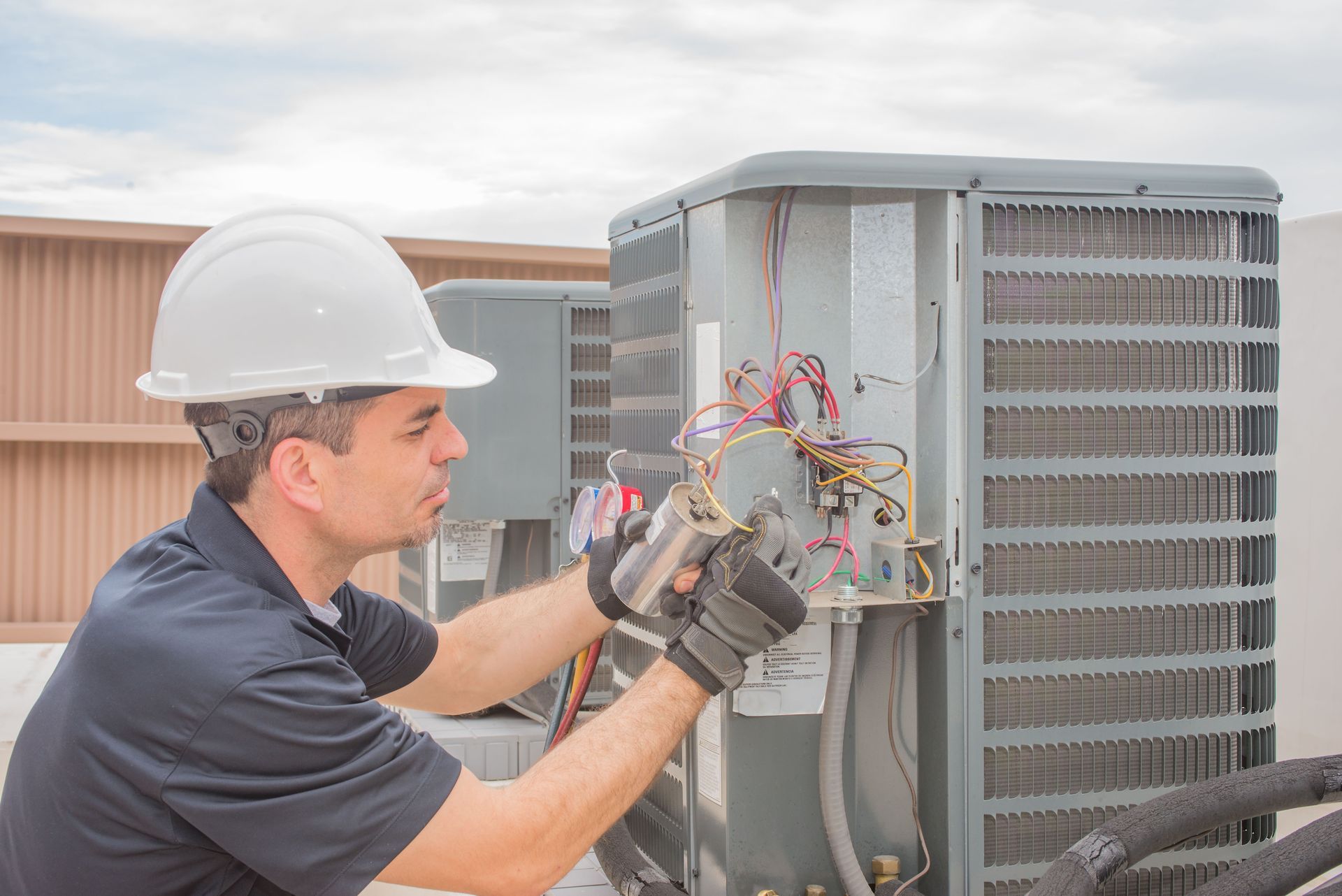
Rattling sounds often point to debris caught in the vents or loose components within the system. Clearing debris and tightening components can improve airflow and system performance. Ignoring rattling noises can lead to reduced efficiency and increased wear and tear on the system. If you notice a consistent humming sound, it could indicate electrical issues or a failing capacitor. These electrical components are crucial for the efficient operation of the HVAC system, and prompt HVAC repair can prevent further damage.
Popping or cracking noises might indicate issues with air pressure within the ductwork. Proper duct maintenance and inspection can help identify and resolve these issues before they escalate. Air pressure imbalances can lead to inefficient heating and cooling, increasing energy bills. According to Bob Villa, heat pumps have an average lifespan of 16 years, making timely repairs essential to maximize their efficiency and longevity. Addressing unusual noises is a proactive approach to maintaining your HVAC system's health.
2. Inconsistent Temperatures
Inconsistent temperatures within your home can be frustrating and may be a sign of underlying HVAC issues. Hot and cold spots between rooms often indicate duct problems or insufficient insulation. Proper ductwork and insulation are essential for maintaining consistent temperatures throughout your home. If you're constantly adjusting the thermostat, it may be a sign of inefficiency within the system. An inefficient system struggles to maintain set temperatures, leading to increased energy usage and discomfort.
Delayed heating or cooling response can indicate problems with the thermostat or internal HVAC components. Quick diagnosis and HVAC repair can restore your system's responsiveness and comfort. Inaccurate thermostat readings could be due to faulty wiring or sensor issues. Ensuring your thermostat is correctly calibrated and wired is crucial for accurate temperature control. Constant running cycles may mean your system is struggling to maintain the desired temperature, which leads to increased energy consumption.
Advanced HVAC systems are designed to operate efficiently and shouldn't require frequent thermostat adjustments. Constant adjustments indicate that something is amiss within your HVAC system's function. Regular maintenance and timely repairs can address these issues, ensuring your system operates at peak efficiency. Ensuring consistent temperatures helps maintain comfort and energy efficiency in your home.
3. Unpleasant Odors
Unpleasant odors emitting from your HVAC system can be a warning sign of various issues that require immediate attention. A musty or moldy smell often suggests mold growth within the ducts or system components. Mold can degrade indoor air quality and pose health risks to occupants. It's essential to address any mold-related issues promptly to ensure a safe and comfortable living environment. Regular maintenance and inspections help prevent mold growth and maintain a healthy home.
Burning or smoky odors may indicate overheating or electrical issues that require urgent attention. These odors can be a sign of malfunctioning components that may lead to fire hazards if left unaddressed. Professional diagnosis and HVAC repair can resolve these issues and ensure the safe operation of your system. A rotten egg smell is a strong indication of a natural gas leak. This is an emergency situation that demands immediate professional intervention to ensure safety.
Stale or stagnant air could be a sign of blocked vents or issues with air circulation in the system. Regularly cleaning and maintaining vents can improve airflow and reduce the risk of odor buildup. Chemical odors might suggest refrigerant leaks, which can be hazardous if not addressed promptly. Bob Villa notes that effective maintenance is crucial to extend the lifespan of HVAC systems. Addressing unpleasant odors ensures your home remains comfortable and safe.
4. Poor Airflow
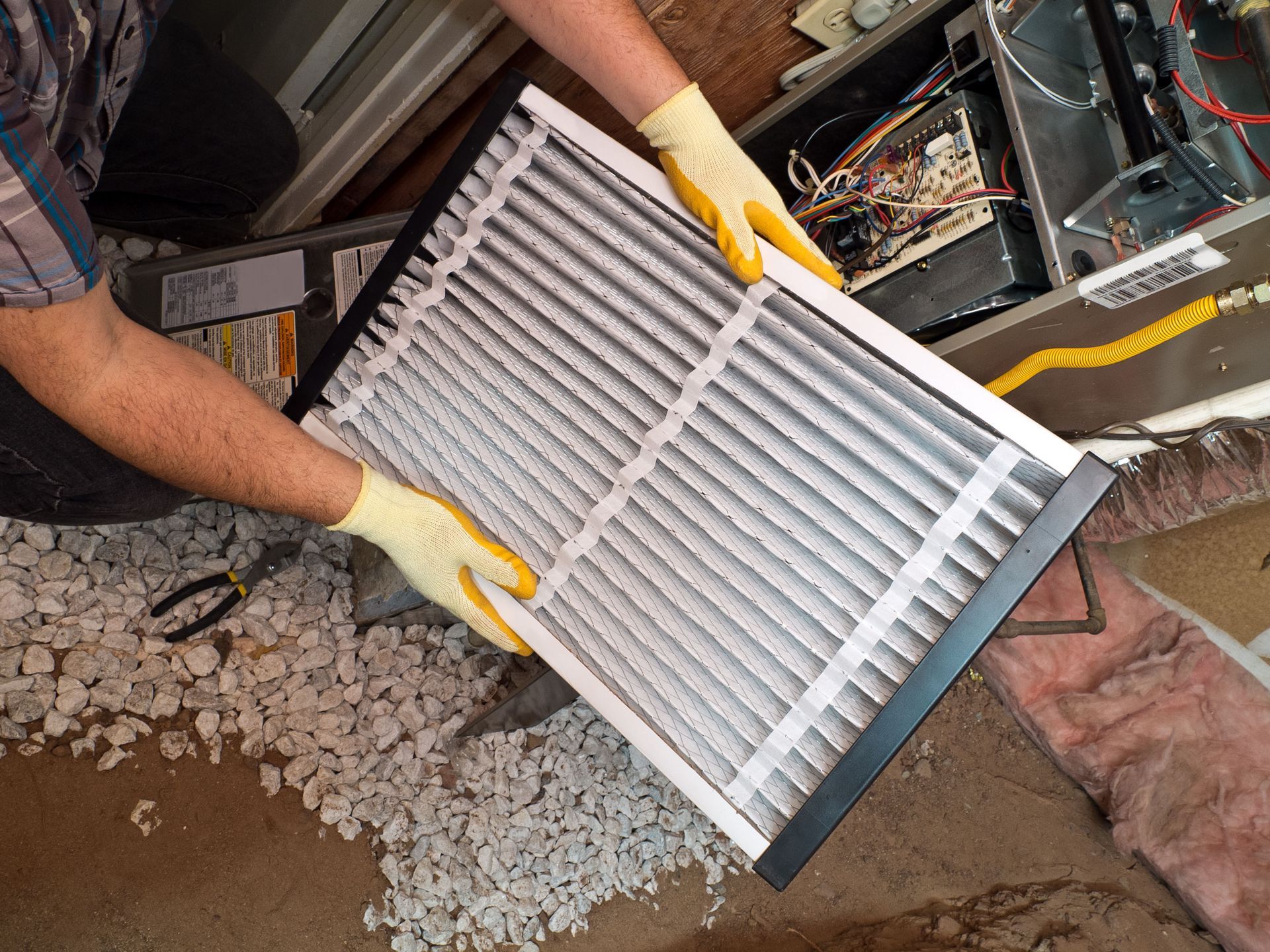
Poor airflow from your HVAC system can result from a variety of issues that impact performance and comfort. Weak air circulation can stem from blocked ducts, failing fans, or a clogged filter. Ensuring clear ducts and clean filters can improve airflow and system efficiency. Vent blockages lead to uneven heating and cooling and increased energy bills. Regular cleaning and inspection of air vents can prevent blockages and maintain consistent airflow throughout your home.
Dust accumulation often points to a failing air filter or issues within the ductwork. Excessive dust can clog filters and ducts, reducing system efficiency and affecting indoor air quality. Increased humidity levels in your home may be due to poor airflow, causing your HVAC system to struggle with humidity control. Effective airflow is essential for maintaining balanced humidity and comfort in your home. Problems with airflow direction can arise from improperly adjusted vents or faulty system installation.
Properly directing airflow is critical for system efficiency and comfort. Adjusting vents and ensuring proper system installation can solve directional issues and improve performance. Addressing airflow problems can extend the lifespan of HVAC systems. Regular inspections and HVAC repair help ensure your HVAC system continues to provide optimal airflow and efficiency. Maintaining good airflow is vital for ensuring your system's longevity and your home's comfort.
5. High Energy Bills
High energy bills are often the first sign that your HVAC system isn't running efficiently. An unexpected increase in energy bills can suggest inefficiencies or malfunctions in the system. Regular maintenance and timely repairs can address these issues and help lower energy usage. If your system runs continuously without improving comfort levels, it may be time for an HVAC repair. A continuously running system not only increases energy bills but also causes additional strain and wear on components.
Older systems often lose efficiency and require more power to operate effectively. As HVAC systems age, regular maintenance becomes more critical to maintaining efficiency and performance. Seasonal bill fluctuations can indicate a failing system struggling to cope with weather changes. Addressing underlying issues can help stabilize your energy bills across different seasons. Energy audit recommendations can provide valuable insights into areas of inefficiency.
Professional audits may suggest timely repairs to improve efficiency and reduce energy usage. Implementing recommended changes from an energy audit can enhance your system's performance and lower bills. Regular inspections and proactive repairs ensure your HVAC system operates efficiently, keeping energy bills manageable and your home comfortable. Addressing high energy bills promptly can lead to significant long-term cost savings.
Recognizing and responding to these signs promptly can save you money and ensure your home remains comfortable and safe. Schedule regular inspections and maintenance to prevent these issues and extend the lifespan of your HVAC system. Proper care and timely HVAC repair can maximize your system's efficiency and improve indoor air quality. Addressing issues at the early stages can prevent minor problems from growing into costly replacements. Investing in maintenance is investing in the comfort and safety of your home.

Share On: