
Top Reasons to Hire a Professional HVAC Company
Heating and cooling systems play an essential role in maintaining indoor comfort throughout the year. From managing summer humidity to providing consistent warmth during colder months, these systems need to operate reliably under changing conditions. When equipment struggles to maintain temperatures, produces unusual noises, or uses more energy than expected, professional attention can help identify the underlying issue. Hiring an experienced HVAC company gives property owners access to technical knowledge, specialized equipment, and service recommendations suited to their systems.
Professional HVAC care involves more than responding to a breakdown. Regular inspections, appropriate maintenance, accurate troubleshooting, and informed equipment recommendations can all contribute to dependable performance. Homeowners and business owners may also benefit from professional guidance when planning system upgrades or addressing uneven temperatures. Understanding the advantages of qualified service can help property owners make informed decisions about comfort, efficiency, and long-term equipment care.
Improving System Efficiency and Reducing Energy Waste
Heating and cooling equipment consumes a significant amount of energy, making efficiency an important consideration for property owners. Dirty components, restricted airflow, incorrect system settings, and worn parts can affect how effectively equipment operates. A professional can evaluate these conditions and identify problems that may be increasing energy consumption. Addressing performance issues can help a system maintain comfortable temperatures without unnecessary strain.
An HVAC company can also assess whether the existing equipment is appropriately sized for the property and its heating and cooling demands. An oversized or undersized system may cycle inefficiently or struggle to maintain consistent indoor conditions. Professional recommendations can account for the building's layout, insulation, windows, and occupancy patterns. This broader evaluation helps property owners understand which improvements may offer meaningful benefits.
Extending Equipment Life Through Maintenance
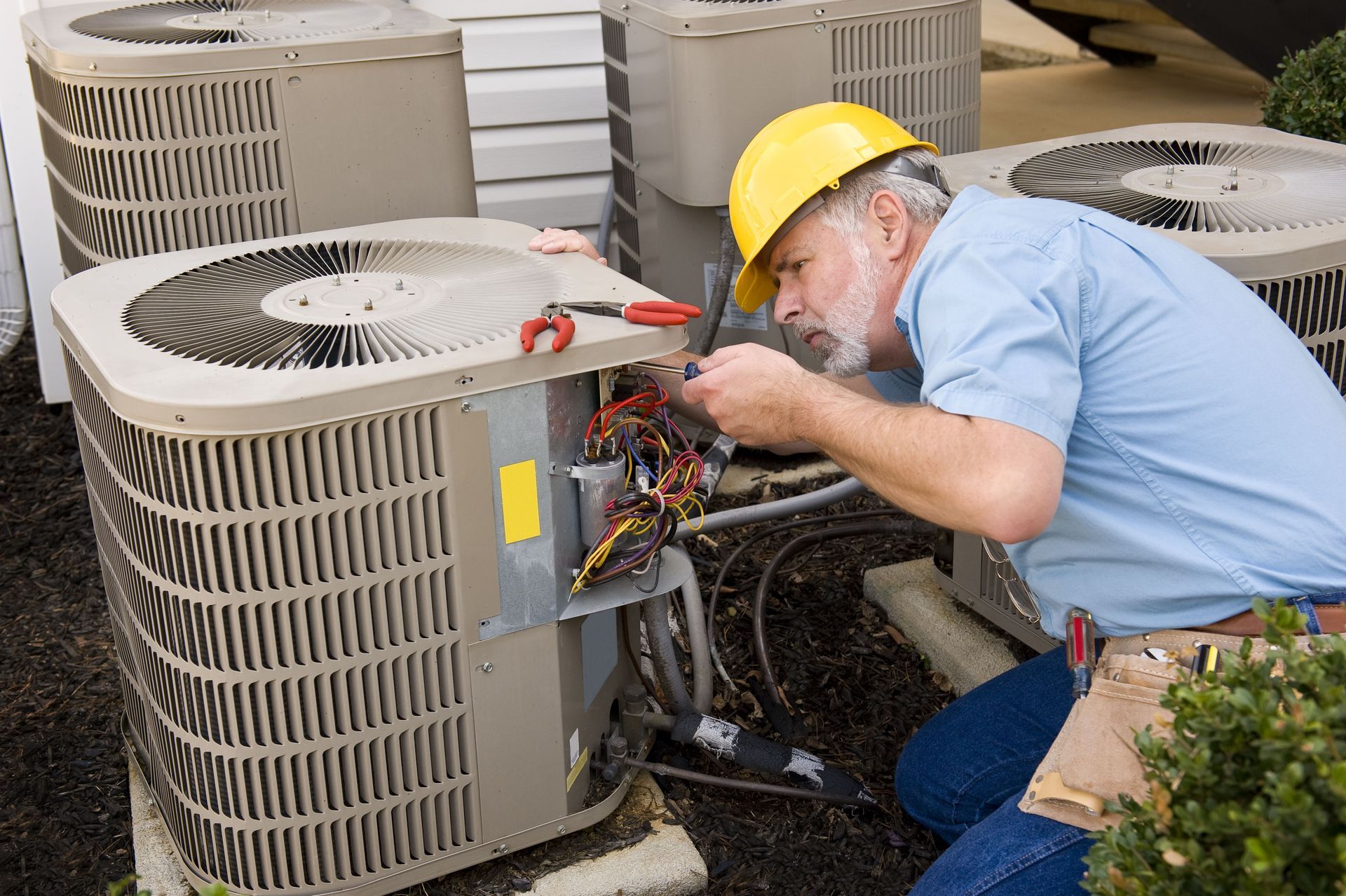
Heating and cooling systems contain multiple components that must work together to deliver reliable performance. Routine professional maintenance allows technicians to inspect those components, evaluate system operation, and identify developing issues before they become more disruptive. Depending on the equipment, maintenance may include checking electrical connections, examining moving parts, evaluating refrigerant-related performance, and reviewing airflow. Following the manufacturer's recommended service schedule can help preserve equipment condition over time.
Preventative care is particularly important because small performance issues may go unnoticed until a system experiences a more serious problem. According to Workyard, nearly one in three homeowners report concerns about their HVAC system's condition, yet only around 30% regularly arrange preventative maintenance. This gap highlights why planned inspections deserve attention even when equipment still appears to be working. Consistent service can help property owners make informed decisions about repairs and ongoing system care.
Identifying Problems Through Accurate Diagnostics
Heating and cooling symptoms do not always reveal their underlying causes. Uneven temperatures, frequent cycling, unusual sounds, weak airflow, and unexpected increases in utility use can result from several different issues. Replacing a component without understanding the actual problem may leave the original concern unresolved. Professional technicians use diagnostic procedures and appropriate testing equipment to investigate system behavior and narrow down potential causes.
Accurate diagnosis helps establish a more appropriate path forward. A technician can explain whether a problem involves a specific component, an airflow restriction, a control issue, or a broader equipment concern. This information allows property owners to understand the recommended work and make decisions based on the system's actual condition. Working with an experienced HVAC company can also help prevent unnecessary repairs and repeated service visits caused by incomplete troubleshooting.
Maintaining Consistent Indoor Comfort
A properly functioning HVAC system should support comfortable indoor conditions across different rooms and changing outdoor temperatures. When certain areas remain too warm or too cold, the cause may involve airflow distribution, ductwork, insulation, thermostat placement, or equipment performance. Professional assessment helps distinguish between these possibilities and determine which factors need attention. Addressing the underlying issue can improve comfort throughout the property.
Indoor comfort also involves humidity management and appropriate ventilation. Excess indoor moisture can make rooms feel uncomfortable, while insufficient ventilation may affect indoor air freshness. Technicians can evaluate system capabilities and explain whether adjustments, repairs, or additional equipment should be considered. Their recommendations can help property owners create a more consistent indoor environment without assuming that every comfort issue requires replacing the entire system.
Supporting Healthier Indoor Air Quality
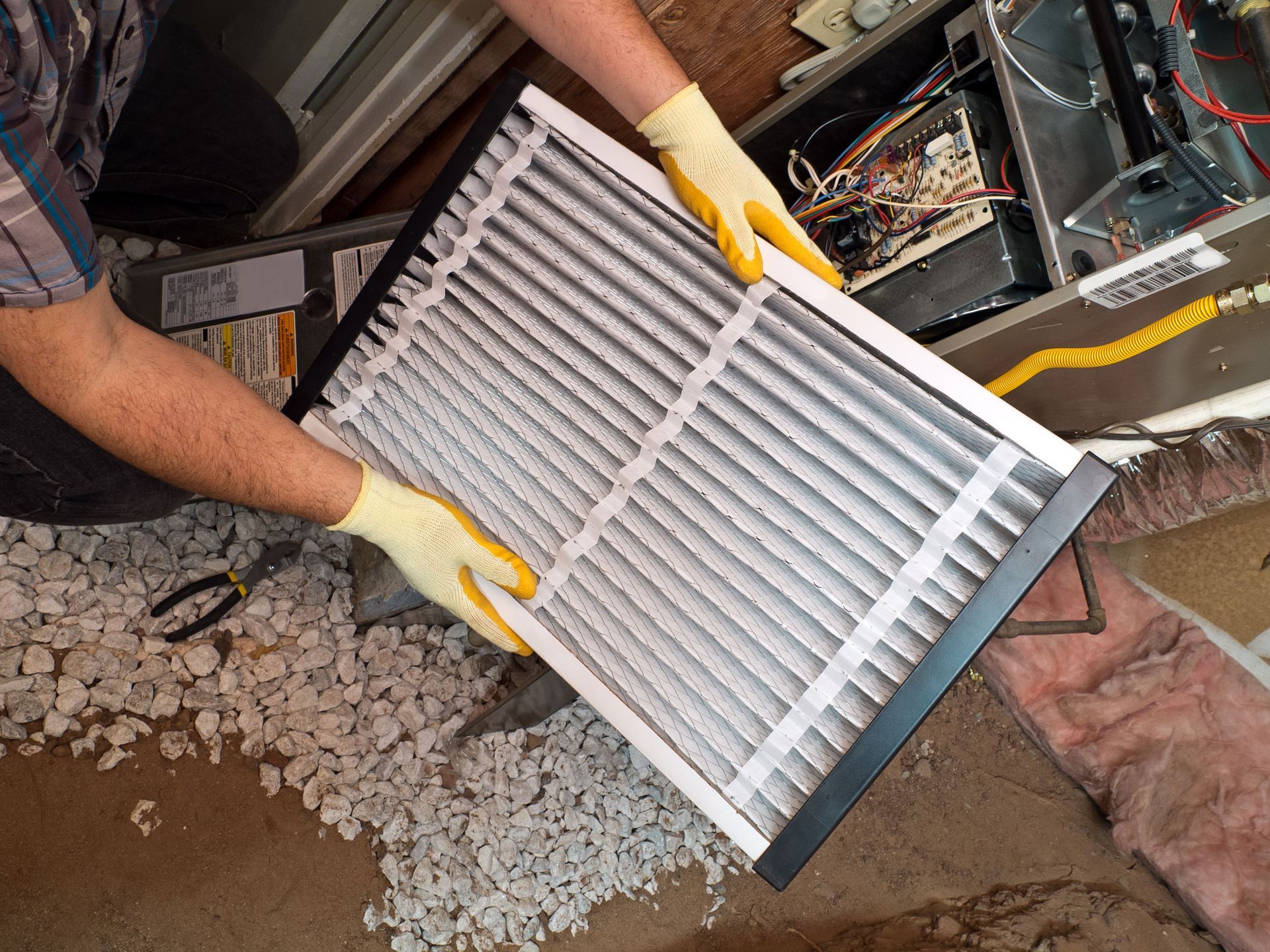
Indoor air quality can be affected by dust, airborne particles, moisture, ventilation, and the condition of HVAC components. Although heating and cooling equipment does not eliminate every indoor pollutant, appropriate maintenance can help the system circulate air as intended. Technicians can inspect relevant components, evaluate filtration arrangements, and identify conditions that may interfere with airflow. They can also explain which improvements are appropriate for the property's equipment and usage.
Different buildings have different indoor air quality needs. Households with pets, busy commercial spaces, and buildings with limited fresh-air circulation may require different approaches to filtration and ventilation. A professional can discuss these factors while distinguishing routine HVAC maintenance from specialized air quality services. Working with a qualified provider helps property owners understand the available options and choose measures that fit their environment.
Strengthening System Safety and Reliability
HVAC equipment combines electrical components, moving parts, and, in some systems, combustion processes. Problems involving damaged wiring, faulty controls, or combustion-related components may create safety concerns that require qualified attention. Professional inspections help identify certain equipment defects and determine whether further service is necessary. Systems that use fuel-burning equipment may also require checks appropriate to their design and the manufacturer's guidance.
Safety considerations extend beyond individual components. Proper installation, suitable ventilation, correct equipment operation, and compliance with applicable requirements all contribute to dependable performance. An
HVAC company can evaluate system-specific concerns and explain when corrective work is recommended. If a technician identifies a potentially hazardous condition, property owners should follow the technician's safety guidance and avoid operating affected equipment until it has been assessed as safe.
Planning Repairs and Equipment Upgrades
Eventually, every heating and cooling system may require repairs or replacement. The right decision depends on several factors, including the equipment's age, repair history, operating performance, and ability to meet the property's current needs. Professional assessment helps clarify whether a repair is likely to address the problem or whether replacement deserves consideration. This guidance allows property owners to plan rather than make decisions solely under the pressure of an unexpected breakdown.
When an upgrade is appropriate, a technician can explain differences between available system types, efficiency ratings, features, and control options. Equipment selection should account for the building's size, insulation, climate, occupancy, and existing ductwork where applicable. Proper sizing and installation are important because even high-efficiency equipment may perform poorly when mismatched to the property. Professional planning helps ensure that an upgrade is based on practical requirements instead of a single product specification.
Improving Service Coordination and Long-Term Planning
Professional HVAC service can make equipment care easier to organize throughout the year. Scheduled inspections allow property owners to plan service around seasonal changes rather than waiting until a system stops working during periods of extreme temperatures. They also create opportunities to review recurring problems, discuss equipment performance, and consider upcoming maintenance needs. This forward planning can be especially valuable for businesses that depend on stable indoor conditions for employees, customers, or stored products.
Clear communication is another important part of professional service. Property owners should understand what a technician has identified, which work is recommended, and what follow-up may be necessary. Written service details can help track repairs and identify patterns if the same concern returns. Establishing an ongoing relationship with a qualified provider makes it easier to maintain a service history and plan future decisions around the condition of the equipment.
Maintaining comfortable indoor temperatures takes more than simply switching the heating or cooling system on when needed. Regular maintenance, timely diagnostics, and informed equipment decisions can all help support reliable performance throughout the year. At Precision Heating & AC Inc, we help property owners address HVAC concerns and evaluate service options suited to their systems. Contact our team to discuss your heating and cooling needs and learn how we can help you maintain a comfortable indoor environment.
Share On: